Five signs your business isn't as secure as you think
Most cyber attacks rely on a gap in the basics, not clever hacking. Five quick checks any business owner can make this week to spot the most common security gaps.
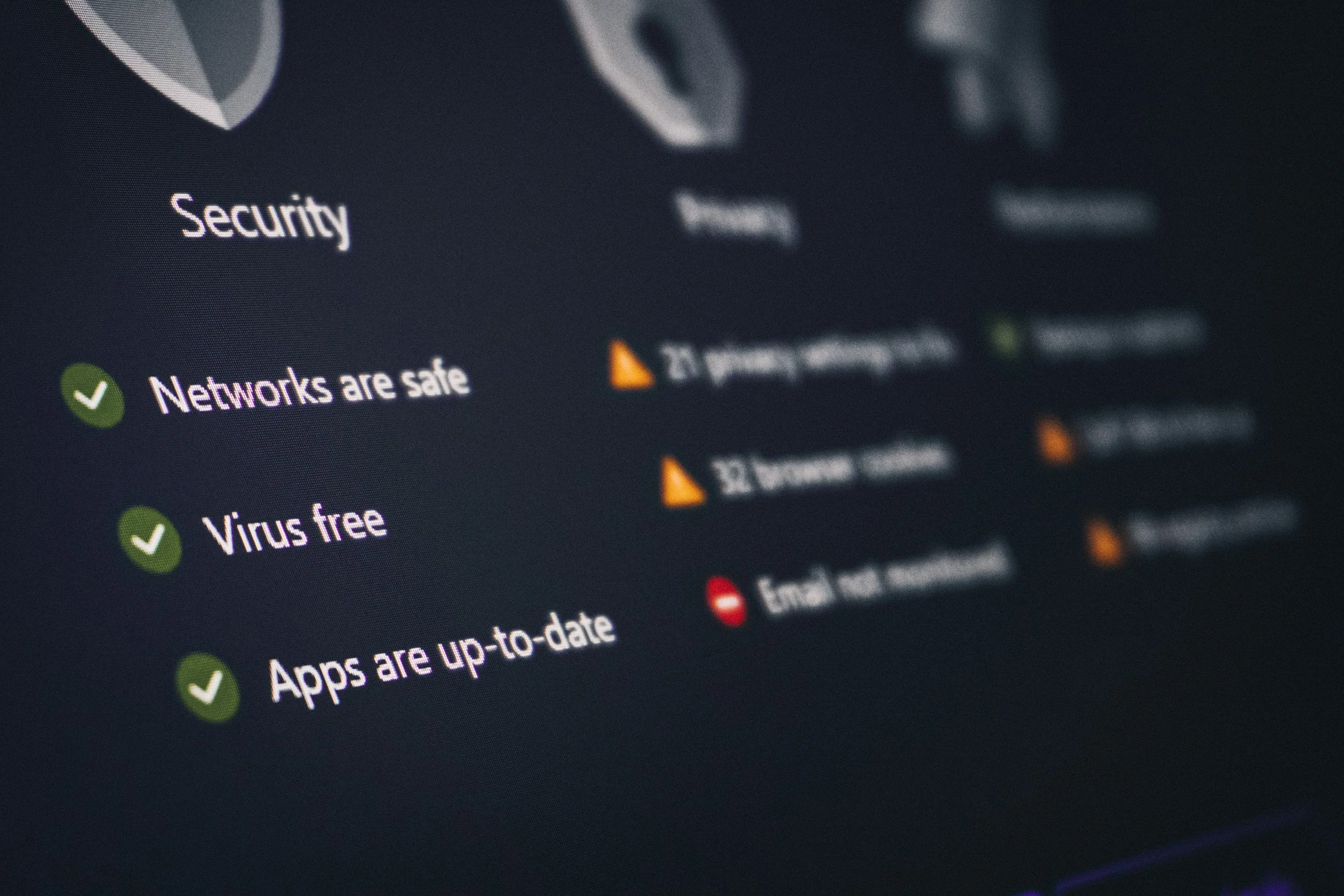
Here's the uncomfortable truth about most cyber attacks: they don't rely on genius hackers breaking through the walls. They rely on a door being left unlocked. The vast majority succeed because of small, everyday gaps — the kind that are easy to fix once you know they're there.
You don't need to be technical to spot them. Here are five signs your business might be more exposed than you'd like, and what to do about each.
1. Your team reuses passwords — and there's no MFA
If the same password unlocks email, banking and half a dozen other accounts, one leak puts all of them at risk. And passwords leak constantly, usually through breaches at other companies.
The fix: turn on multi-factor authentication (MFA) everywhere you can — especially email and Microsoft 365. It's the single most effective thing most businesses can do, and it stops the overwhelming majority of account break-ins even if a password is stolen.
2. Nobody's quite sure who has access to what
When someone leaves, does their access actually get switched off? Are there old accounts still active? Does everyone have access to things they don't really need?
The fix: keep a simple, current list of who can access what, and remove access the moment someone leaves. "Least privilege" — giving people access to only what they need — limits the damage if any one account is compromised.
3. You have backups… but you've never tested them
A backup you've never restored from is a hope, not a plan. Plenty of businesses discover — at the worst possible moment — that their backup was incomplete, out of date, or quietly failing for months.
The fix: make sure backups are running, protected, and actually tested by restoring from them. If you can't confidently answer "when did we last check our backups work?", that's your answer.
4. Updates are always "for later"
Those update prompts everyone ignores? A big chunk of them are security fixes. Software that's behind on updates is one of the most common ways attackers get in — because the weaknesses are public knowledge.
The fix: keep computers, phones and software patched and up to date, ideally automatically. Proactive IT support handles this quietly in the background so it's not left to chance.
5. Your team has never been shown what a scam looks like
Your people are your first line of defence — but only if they know what to watch for. A convincing fake invoice or a "your account is locked" email catches out even careful staff when they've never been trained on the signs.
The fix: a little awareness training goes a long way. Teach the team to pause on anything unexpected, especially messages about money or passwords, and make it easy for them to check before they click.
The takeaway
Notice a theme? None of these fixes are dramatic or expensive. Good security is mostly about doing the basics consistently — which is exactly why they're so often overlooked.
If any of the five gave you a moment of doubt, it's worth a proper look. We do straightforward security reviews for South West businesses that tell you, in plain English, where the gaps are and what's worth fixing first.
Want to know where you stand?
Book a free IT review and we'll map it out for you.