The ISDN switch-off is coming — here's what South West businesses need to do
The UK's old phone network is being switched off by January 2027. Here's what it means for your Plymouth or Devon business — and the simple steps to move over before the deadline.
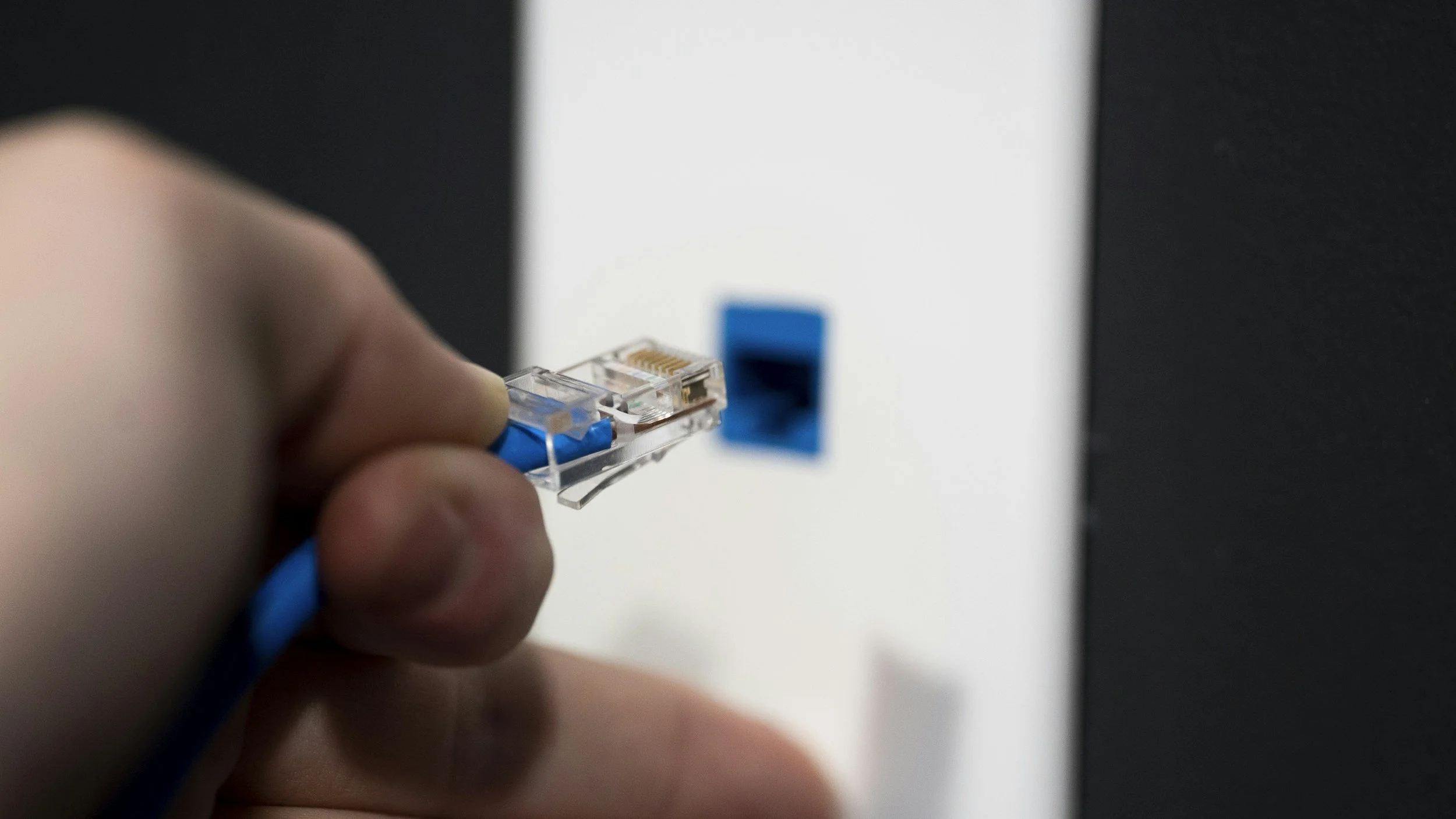
If your business still makes calls over traditional phone lines, there's a deadline heading your way — and it's worth getting ahead of it rather than being caught out.
The UK's old telephone network, the PSTN (Public Switched Telephone Network), is being retired for good. Openreach stopped selling new analogue and ISDN lines back in 2023, and the plan is to switch the whole network off by 31 January 2027. After that, anything that relies on those copper phone lines simply won't work.
The good news? For most businesses, moving away from the old network is a straightforward upgrade — and one that usually saves money and adds flexibility. Here's what you actually need to know.
What's being switched off?
It's easy to assume this is just about desk phones, but the PSTN quietly powers more than you'd think. Anything plugged into a traditional phone line could be affected, including:
Office phone systems (especially older ISDN systems)
Fax lines and analogue extensions
Card payment machines that dial out
Alarm systems, CCTV and door-entry intercoms
Lift emergency phones
If it uses a phone socket, it's worth checking.
Why is it happening?
The copper phone network is decades old, increasingly unreliable and expensive to maintain. The whole country is moving to calls made over the internet — often called "all-IP", "digital voice" or simply VoIP (Voice over Internet Protocol). Instead of a dedicated phone line, your calls travel over your broadband connection, the same way your email and everything else already does.
What it means for your business
In practice, moving over means your phone calls run through a modern cloud phone system rather than a physical line. That sounds like a big change, but for most businesses it's smoother — and cheaper — than the setup they're replacing. You can usually keep your existing numbers, and staff can make and take calls from a handset, a laptop or a mobile app.
The part people forget is the other devices. Before your line is switched off, it's important to check that your card machine, alarm or lift phone has an alternative that doesn't depend on the old network. That's exactly the kind of thing that gets missed until it stops working.
Why it's actually an opportunity
Businesses that make the move tend to find modern telephony is a genuine step up:
Lower running costs than traditional line rental and call charges
Work from anywhere — your number travels with you
Easy to scale — add or remove users in minutes, not weeks
Smarter features as standard — call routing, voicemail-to-email, hunt groups and call reporting
What to do now
You don't need to rush, but you shouldn't leave it to the last minute either — providers get busier as the deadline nears.
Take stock. List every phone line and anything connected to one (including alarms and card machines).
Check your broadband. Good calls need a reliable connection. A quick review tells you whether yours is up to it.
Plan the move. Decide on a cloud phone system, port your numbers across, and switch when it suits you — not when the network forces you.
If you'd like a hand working out what you've got and what the switch-off means for you specifically, that's something we do for local businesses all the time. A quick, no-pressure review will tell you exactly where you stand and what (if anything) you need to change.
Not sure what you're running on?
Book a free IT review and we'll map it out for you.